Are you ready to be enshittified?!
Oh, yeah, it's not a good thing. On first listen, it sounds like a new slang word for getting wasted, but in fact, it is a recently created buzzword for the decay and purposeful planned obsolescence of everything to further extract resources from consumers. It's become so popular that the Oxford English Dictionary now includes a definition:
enshittification, n. The gradual degradation of an online platform or service functionality, typically occurring as a result of a company's attempts to maximize profits or user monetization.
Well, that's awful. This term was first coined by Canadian journalist Cory Doctorow around 2022. (On a side note, does anyone else find it funny that his last name is literally a smooshed interjection, Doctor, Ow!? Sorry, my dad brain couldn't help itself). Back on topic, Cory's original thesis states the following:
"Here is how platforms die: first, they are good to their users; then they abuse their users to make things better for their business customers; finally, they abuse those business customers to claw back all the value for themselves. Then, they die."
I fully agree, Cory. I, too, have witnessed and complained ad nauseum about this phenomenon for many years now. Thank you for giving it the name it deserves: "enshittification."
The SaaS Trap
When this term (enshittification) was officially presented, it was specifically geared toward tech platforms—and, I would argue, SaaS (Software as a Service) platforms. Simply put, this is software that you don't manage or own but pay subscription fees to use, usually at much higher cumulative prices than if you just purchased it outright. SaaS single-handedly ruined computer software.
I know some folks reading this might say, "Hey, I really like this model! I get continuous updates and cloud services, and developers should make money for those updates." That's a fun idea, but you'd be wrong. SaaS is horrible for consumers because it moves development priorities from client service to client extraction. We've heard all the talking points promoting this model:
- "You get cloud services!"
- "Continuously pushed software updates!"
- "Blah-de-blah blah."
What it really is, is a line of BS to continue taking your money for something you should already own free and clear after your initial investment. It shackles consumers—and often businesses—to an overly developed piece of software, forcing you to adapt to a proprietary ecosystem you realistically never control. This is problematic for several reasons:
First, there is no incentive for companies to offer quality updates, and when they do, you usually have to pay extra for the "features." Second, you as the consumer never really control your data. Third, a product should be complete upon delivery. There is absolutely no excuse to pay for something that only kind-of works and then have to continue paying for it. That's absurd.
So, there it is. You are paying for a product that isn't really yours, and you will never technically own the data that comes of it unless you keep paying your subscription fees. That product also comes littered with problems that you are continuously paying people to fix. It's like property taxes and home ownership. If you have to constantly pay someone to own your home, do you really own it? NO. Not to mention that to maintain that home, you have to continuously fix things, which costs you even more money.
Wait, has home ownership been enshittified?! I'll refrain from going down that rabbit hole today. Look, I get it; the entire purpose of a business is to make money. But when did common sense in customer service just completely depart? I would further argue that the dirge that is enshittification has permeated its way through all industries.
Everything Sucks (And Planned Obsolescence)
Okay, everything doesn't literally suck, but it certainly feels like it most days. The old adage, "They don't build 'em like they used to," definitely applies to enshittification. Just look at any physical product you buy today. Things from refrigerators to smartphones are made with parts specifically designed to wear out so you either pay to "fix" them or buy replacements. This is intentional, and no one has done anything about it! It's not exclusive to consumer electronics and appliances, either; it's everywhere. Cars, furniture, everyday products, even lightbulbs. They just suck.
This isn't a novel concept. Manufacturers started implementing this strategy as early as the 1920s, and it all began with lightbulbs. According to HistoryFacts.com, major lightbulb manufacturers came together in December of 1924, secretly forming the "Phoebus Cartel." This cartel agreed that manufacturers would start making lightbulbs that lasted 1,000 hours instead of 2,500, just so they could sell more units. This pact was strictly enforced through random testing, and if a company was found out of compliance, they were hit with monetary penalties. That reads more like organized crime than an everyday business meeting.
I swear, the more I read, the more I realize that capitalism can be an evil bitch. Regardless, it didn't stop at lightbulbs. It has permeated every industry, leading us to today's state of everything sucking. I'm not going to make the argument that you can't find quality products anymore, but you are definitely going to pay a massive premium for them. And these types of business practices have led us to something much more treacherous: waste.
Help Us, Wall-E!
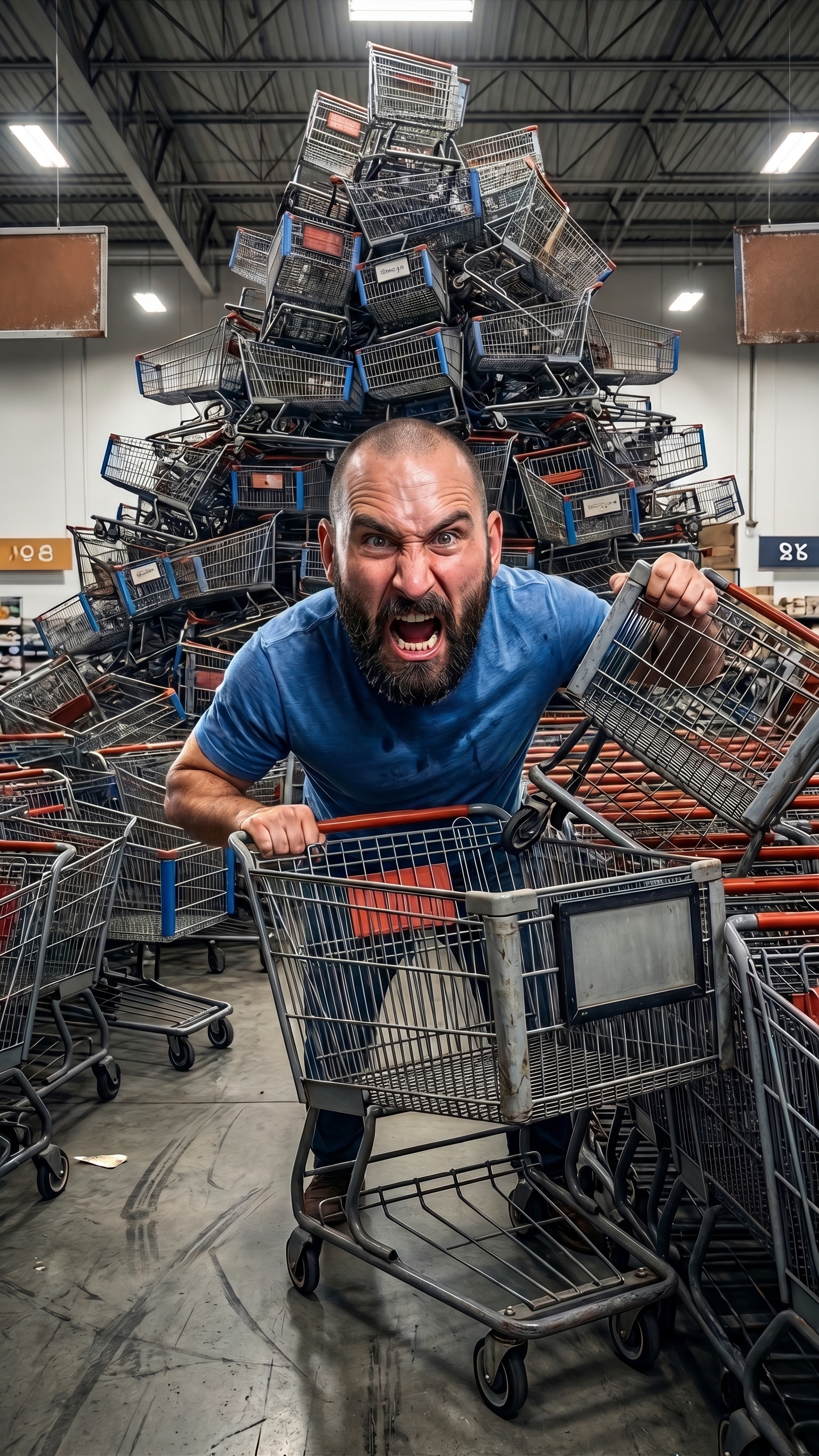
I think most adults and children of a certain age have seen the Disney classic, Wall-E. It's about a cute little robot who is the lone survivor on a world decimated by garbage. Wall-E dutifully cleans up this trash by gathering it and compacting it into solid cubes of mass that are piled high into the sky. There's more to the story, but it effectively encapsulates our entire modern concept of consumption and waste.
Extensive research has looked at our current system of planned obsolescence, and the conclusion is always the same: this economic practice has accelerated all types of consumer waste, leading directly to the deterioration of our natural world. It's honestly horrific. Politics aside, major proponents of this model continuously downplay the severity of our situation—or outright ignore it—because they continue to get paid, consequences be damned. Politicians at the behest of lobbyists even pass legislation that furthers our structural decay.
Look at the rollbacks our current administration has made in the name of "American prosperity." We're seeing the reimplementation of less efficient and environmentally destructive energy production, the opening up of public lands for exploitation, and the empowerment of businesses to continue this onslaught of consumer extraction unfettered. Hell, with the Supreme Court ruling of Citizens United, we effectively allow corporations to buy legislation that only enhances these practices. It is abhorrent and detrimental to the good order and will of our body politic.
It all sounds so hopeless. But is there anything we can do to combat these things?
Speaking of Disney...
Moving back to the origin of Cory Doctorow's theory, let's examine the case study of Disney+. Everyone with ears, eyes, and a brain knows what a streaming platform is. Disney+ was launched on November 12, 2019, at the completely reasonable price of $6.99 per month.
This was actually a fantastic service when it initially came out. It offered the full catalog of Disney movies, shows, and original content so parents and Disney adults didn't have to further accumulate DVDs and VHS tapes to entertain themselves and their kids. It really was a win, and it made sense from the perspective that you were paying for all of their content, now and in the future. I get it.
But then, enshittification slowly crept in. First, they started inching up their prices after they lured you in with a reasonable price. Next came "tiered pricing." Today, you effectively pay double the initial asking price just to watch Disney vomit with ads. If you hate ads—which I would argue just about everyone does—you now pay over triple the initial price ($21.49/month) just to watch their slop without them.
What?! What could possibly justify that type of price increase in the span of seven years? The answer is nothing except greed.
Proponents would argue that overhead costs have risen dramatically over that short period of time. But how can that be true when you own the IP, the platform, and the distribution? It's not like Disney is paying for licensing! They own it all. Other companies like Netflix and Hulu can at least make the shallow argument that licensing and broadcast fees factor into their price inflation, but Disney has bought everything that they show. It's all a lie.
The Consumer Electronics Trap
My final example touches on consumer electronics and their complete enshittification. Cell phones come to mind as the perfect culprit. Our addictive little slabs of silicon are on a constant, annual cycle of use-and-replace. Manufacturers like Apple and Google offer new variations of their flagship phones yearly, and do we see marked improvements with each iteration? No. But they create such hype, fervor, and loyalty for their products that people find themselves trading in essentially brand-new phones just so they can have the newest thing.
I've found myself falling into this never-ending trap of consumption because I like technology. But does anything really warrant the price tag—and subsequent E-waste—involved in doing this? Over time, I've come to the conclusion that buying the newest thing doesn't really improve my quality of life substantially; it just drains my wallet and creates garbage.
Now, the only time I replace my phone is when the old one fails, which again falls squarely into the category of planned obsolescence. It is rare for me to have a phone last more than a couple of years before it begins to fail entirely or the battery life degrades so badly that it is rendered unusable. Obsolescence is furthered by the implementation of "free" software updates that eventually run so poorly on old hardware that the phone becomes obsolete in today's environment. Hot garbage.
Is There a Silver Lining?
The aforementioned examples are just a small fragment of an entire economic model purposefully designed to fail and extract at accelerated rates. So, is there anything we can do? Is there any hope for us and the future of our children?
I would say yes, but it's going to take time and a massive shift in public consciousness.
One way to counteract enshittification is to do so with your wallet. Stop buying things that you don't need, especially if they suck. Fight with your wallet and your time. Do we really need to be entertained by 12 different streaming platforms? Do we need smart, subscription-based appliances? Do we need to have the latest smartphone? Do we have to pay for delivery subscriptions that exploit restaurants, workers, and consumers?
NO! Stop buying this shit.
We can combat this not only with our spending habits but also with our votes. Elect politicians who aren't bought and are willing to legislate better business practices and consumer protections. I know they seem like unicorns, but they do exist. Stop listening to the talking heads railing against ethereal boogeymen—socialism, communism, migrants, or whatever shadowy threat they want you to believe will destroy life as we know it. It's all a distraction. The real threat is greed, and with it, the abject destruction of our world in the name of "economic progress."
We owe it to ourselves and our children to do better. Please don't mistake this for some sort of advocacy for a new economic or social order. It's not. What it is, is a plea for us to do better. If there's one thing I've learned, it's that there is always room for improvement, because if we don't improve, we'll become completely enshittified ourselves.
Dad out.
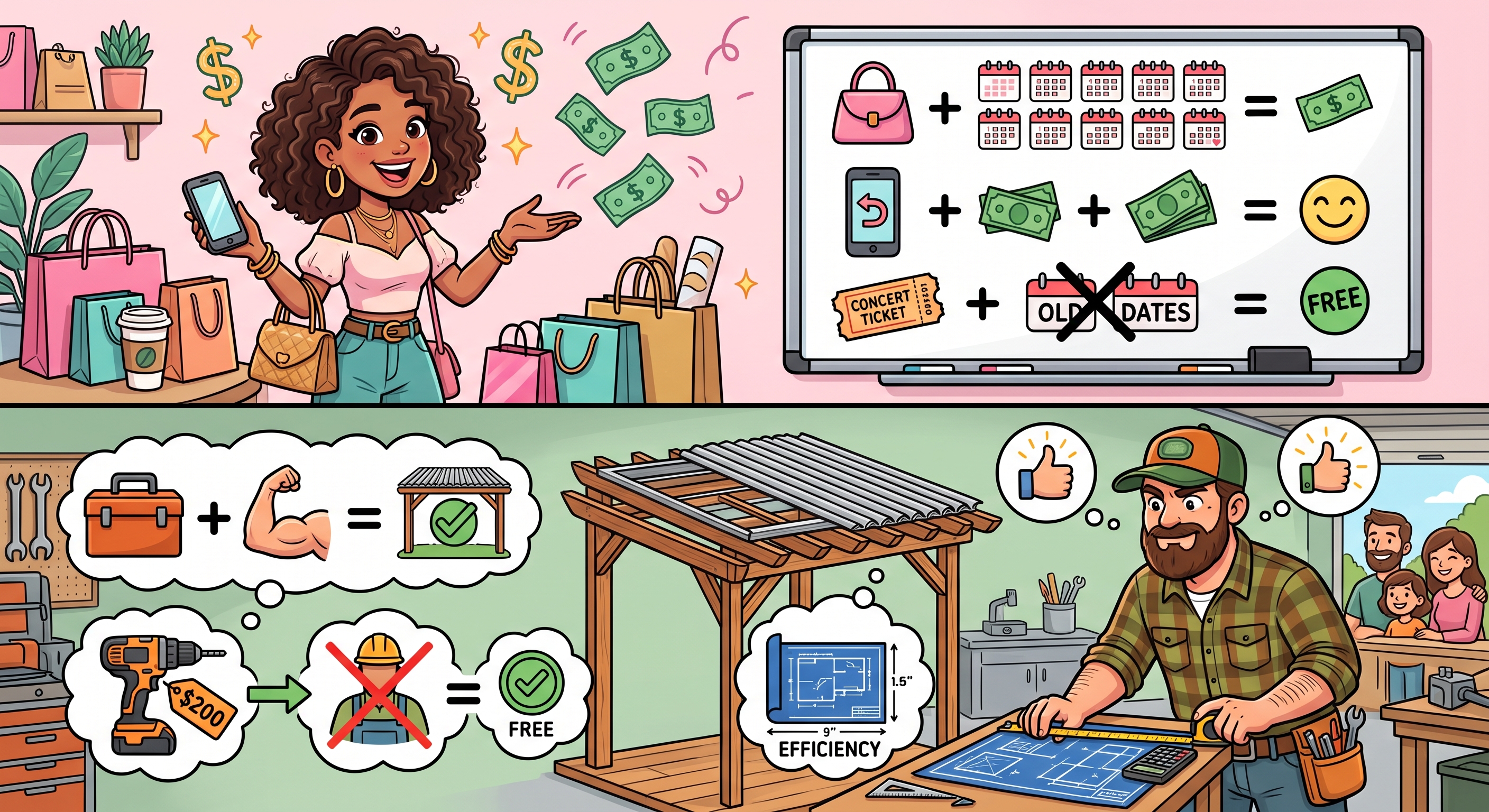 Every so often I'll run across a video or person talking about "girl math." I used to think this was a complete load of crap until I became a father and found myself conducting my own version of math that I will now coin as Dad Math. I believe I can forge a solid argument for both girl math and dad math and open it up into a broader context of male vs. female math and their impacts on spending habits. Let's start with the gold standard.
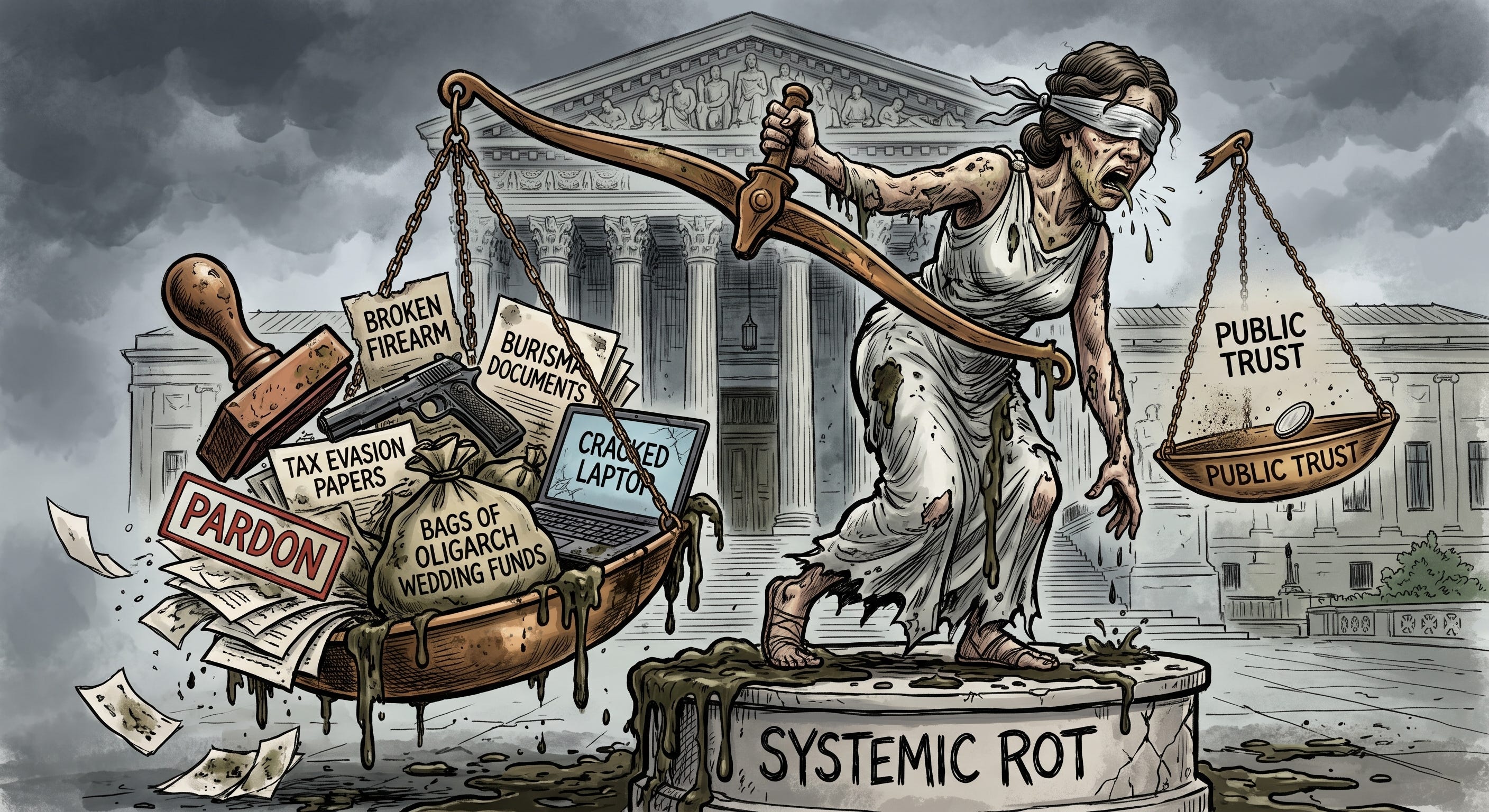
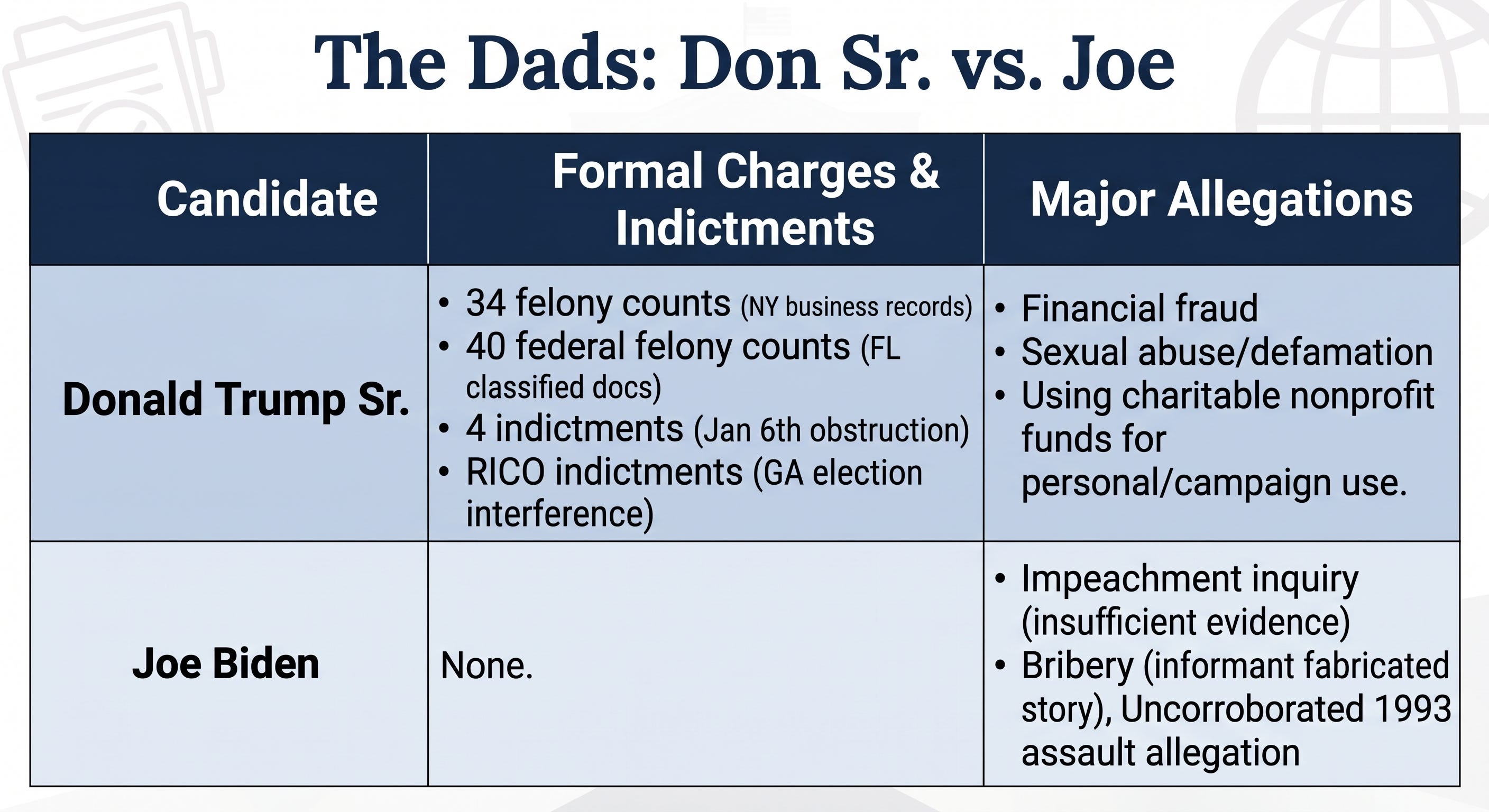
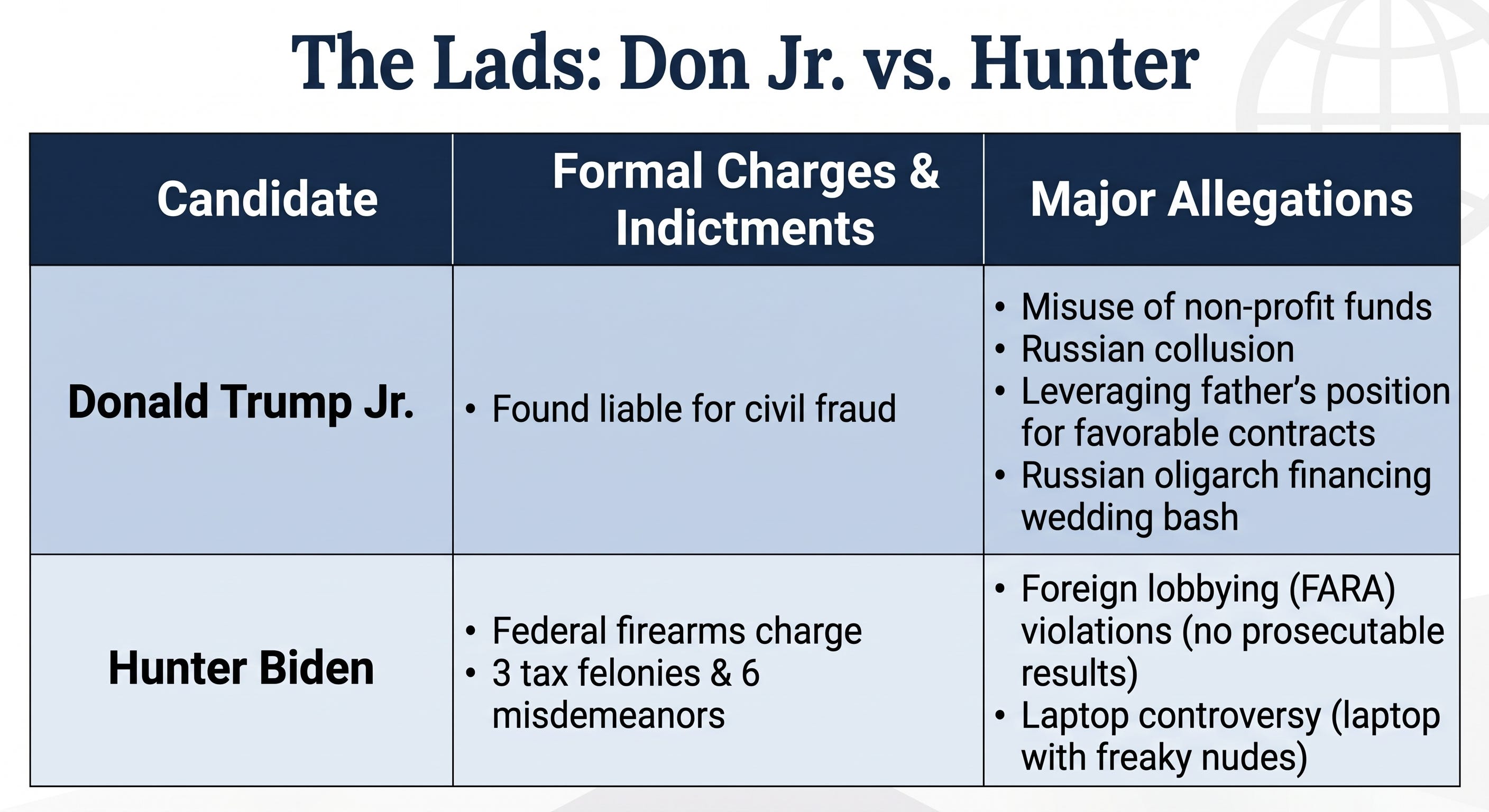
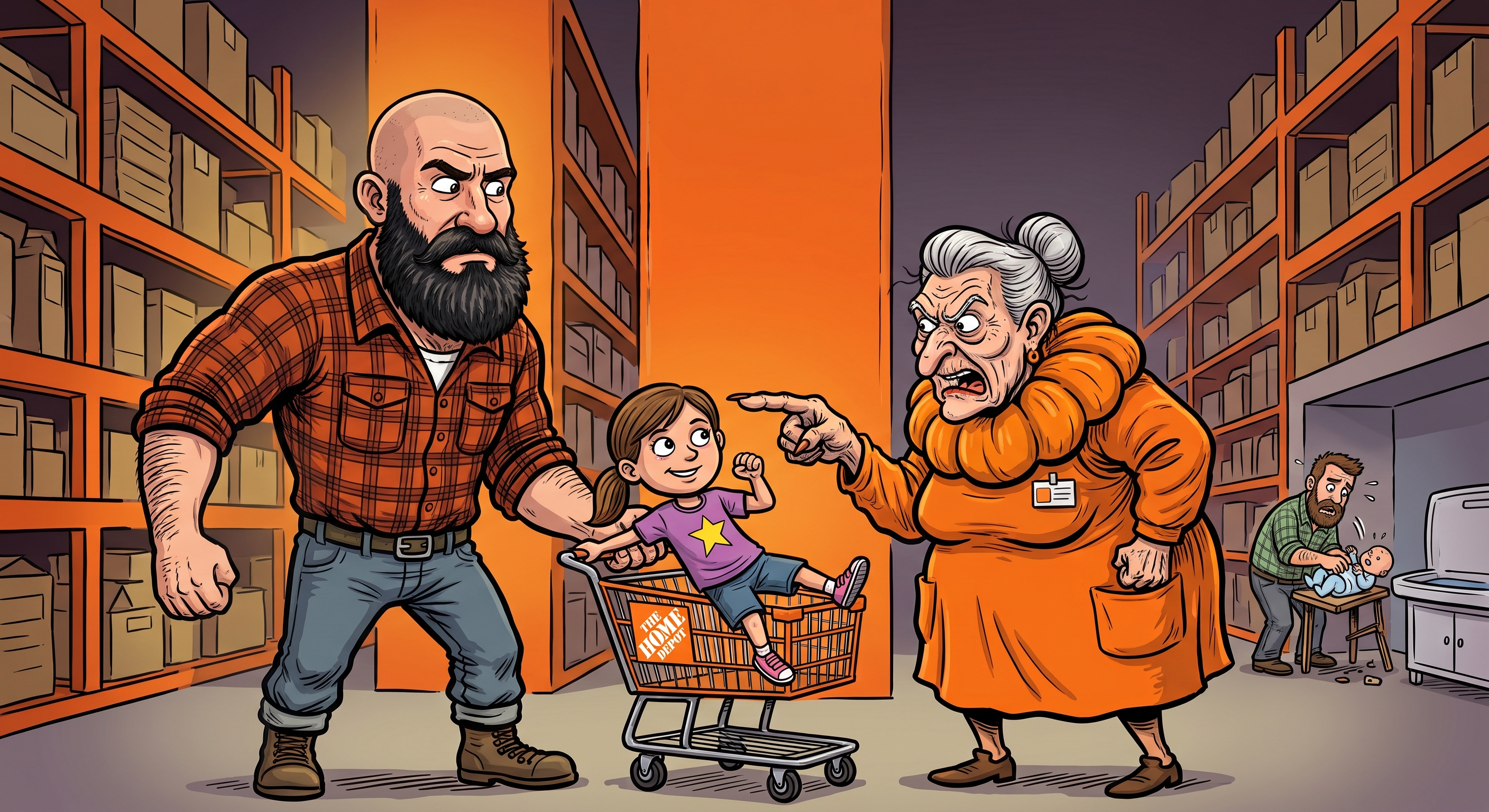 I hate unsolicited parenting advice. At some point, every parent will receive it. Sometimes it may be warranted and valid. Other times... not. As a stay-at-home dad, I don't know if I receive more of this unwanted advice than my female counterparts, but I would wager that I do. I think it speaks to a wider, perceived stereotype that dads are just bumbling idiots.
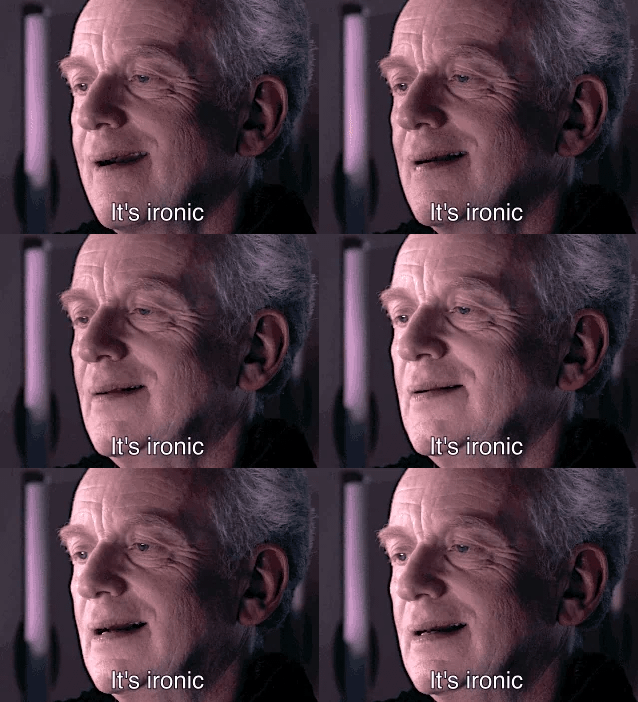
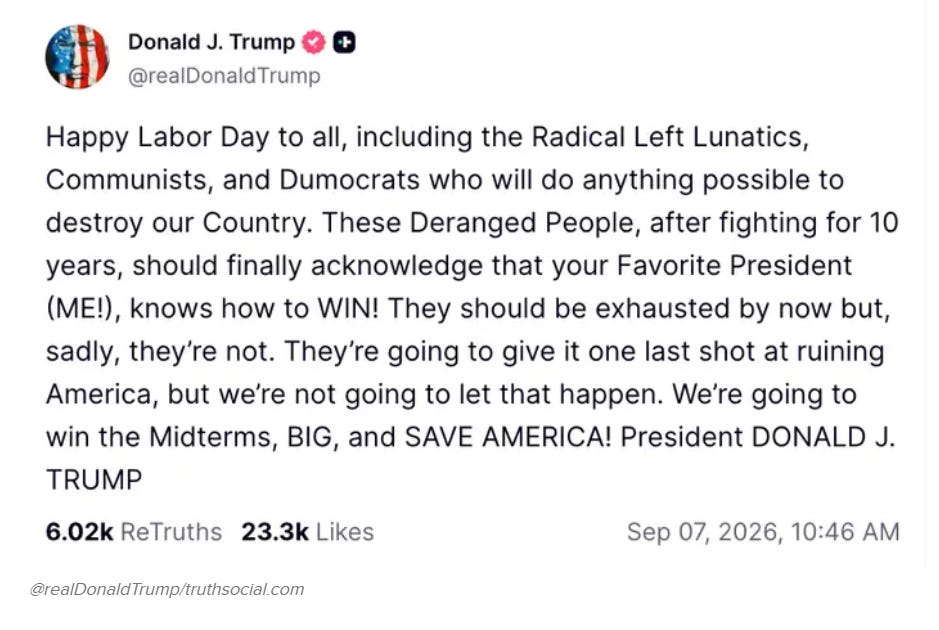



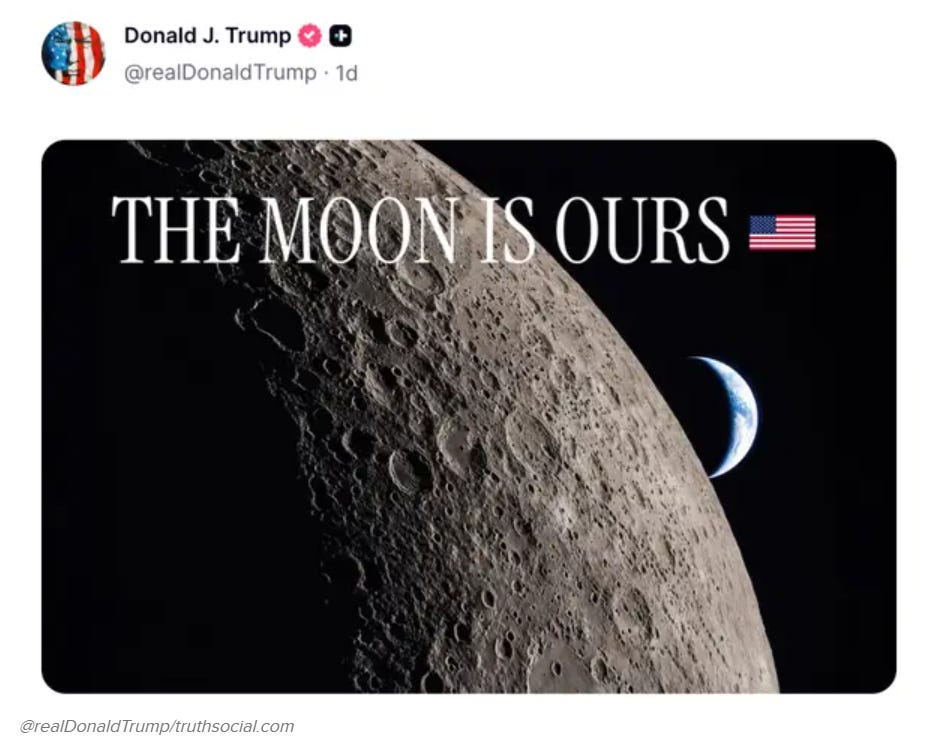
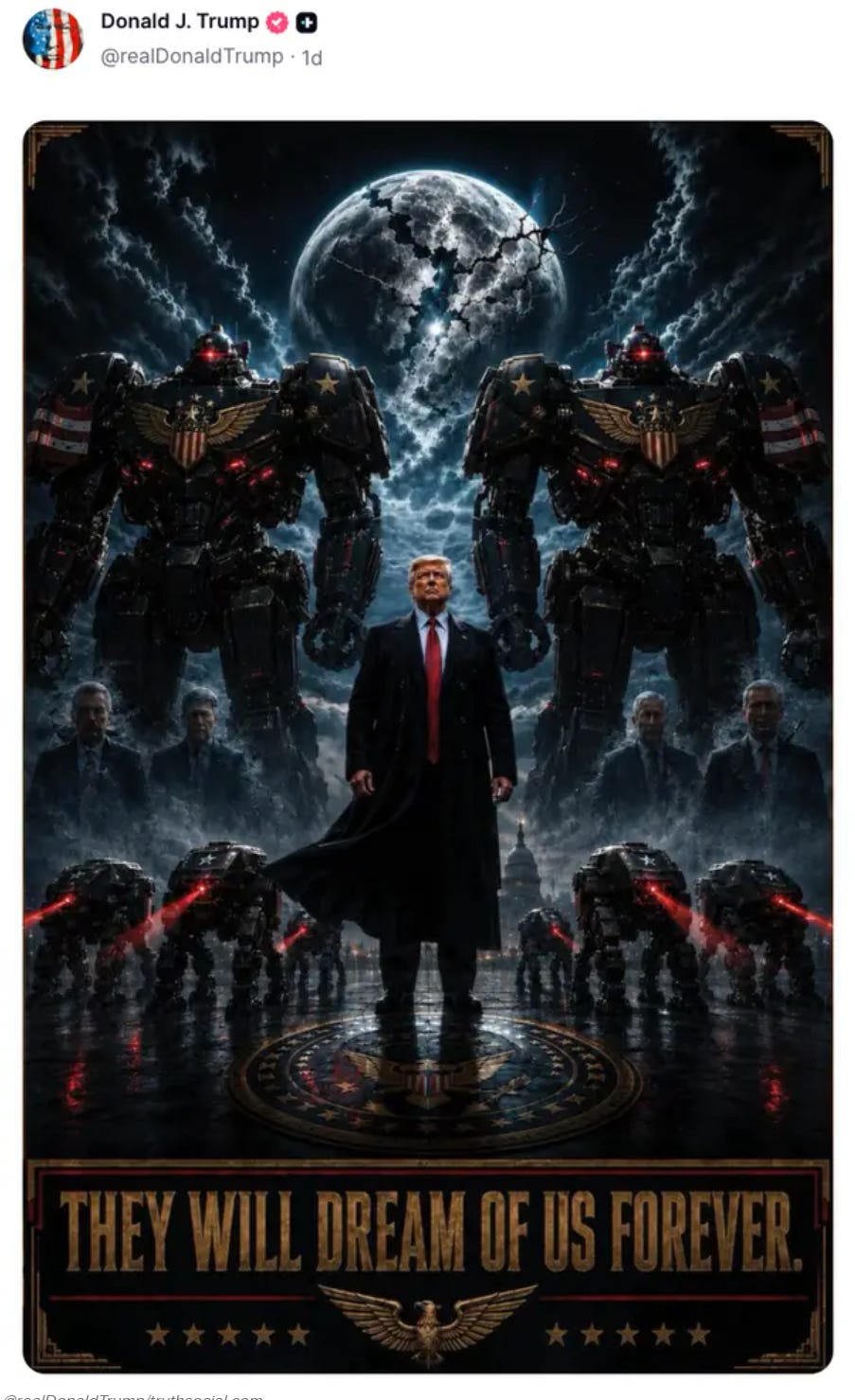

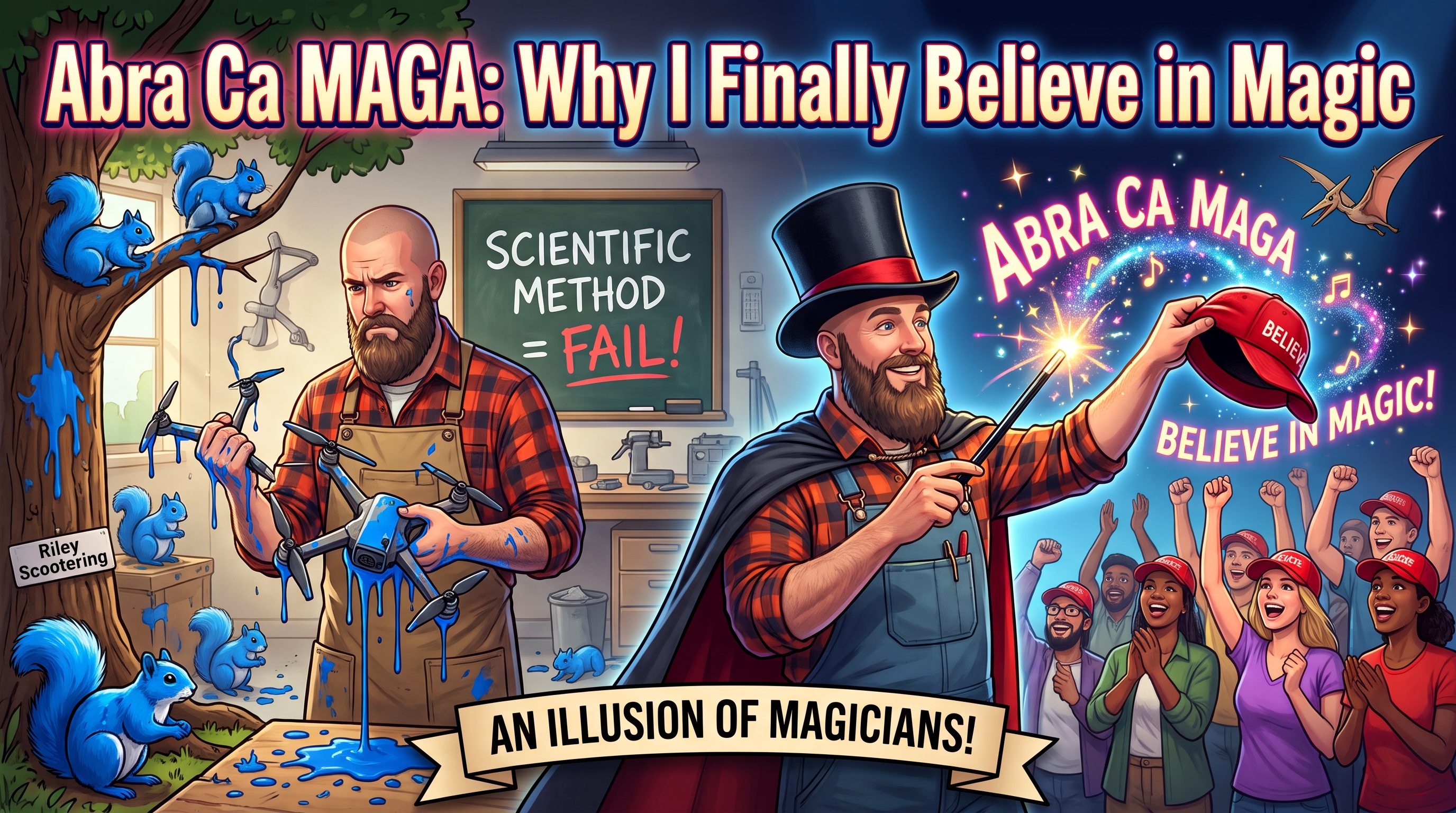 Since the advent of MAGA, I have heard many terms and phrases thrown around. Most are completely nonsensical, devoid of all logic, but there is one phrase that I keep coming back to: "I don't believe in science." Da fuq?! After thinking on this for an exorbitant amount of time, I found myself trying to find an answer for this mode of thinking and asking myself, "Self, do you believe in science?"




.png?alt=media&token=b8071640-18ce-4ddd-9b91-dbb5a54799ea)



.png?alt=media&token=84e835d4-16f2-435e-8339-b9da61b8d3db)
.png?alt=media&token=f814c54d-870f-4cb2-8dc8-80e7eb0acd95)



 I booked a "boutique" hotel suite that looked great online. The suite itself was fine, but the majority of the building was undergoing heavy renovation. The elevator was out; there was no lobby except for a shell being constructed to a symphony of hammers and drills, and there was no air conditioning except for a single unit in our room.
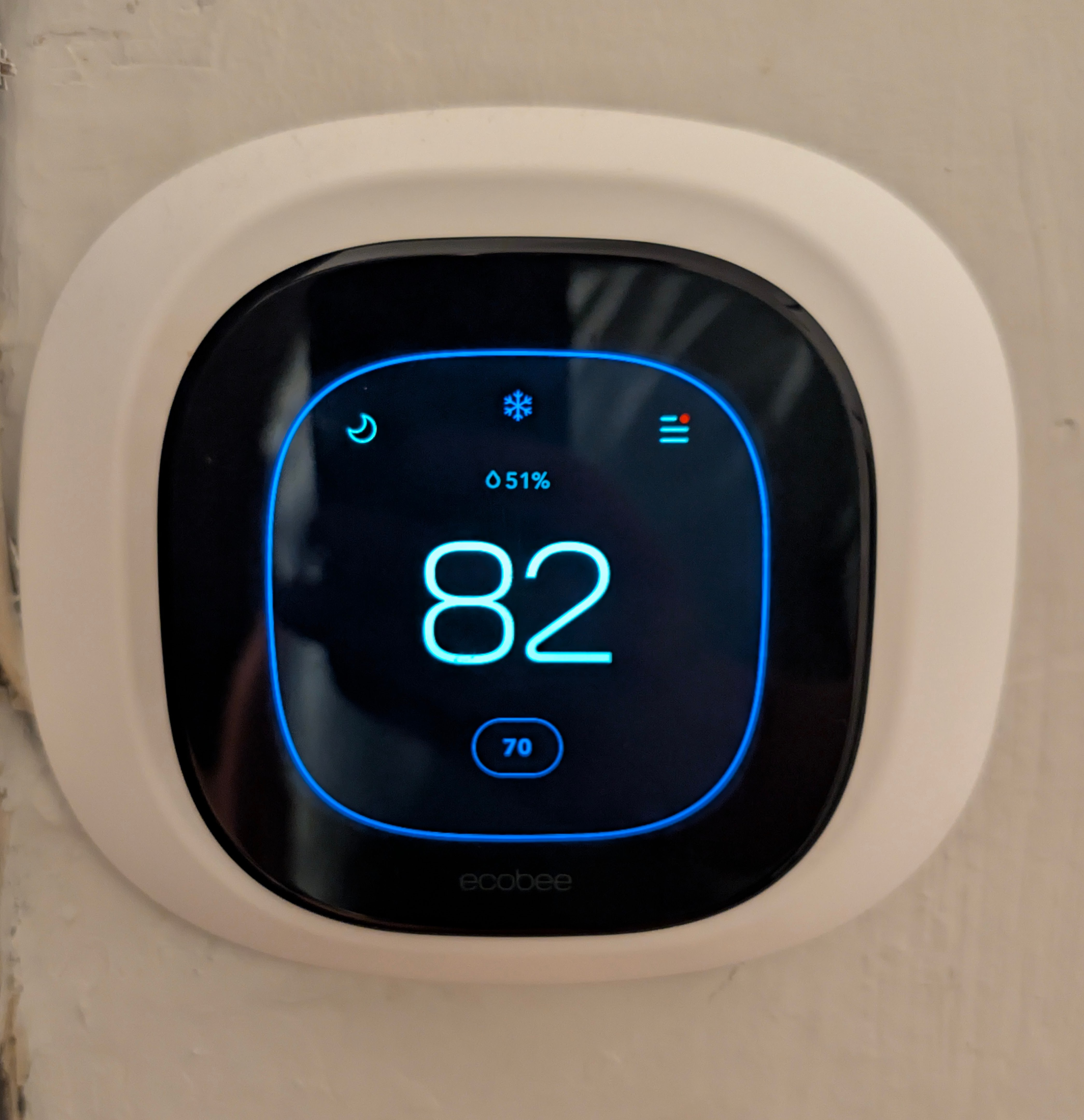 Yes! That's precisely what a person living with MS needs! Hot, humid, stagnant interior temperatures.




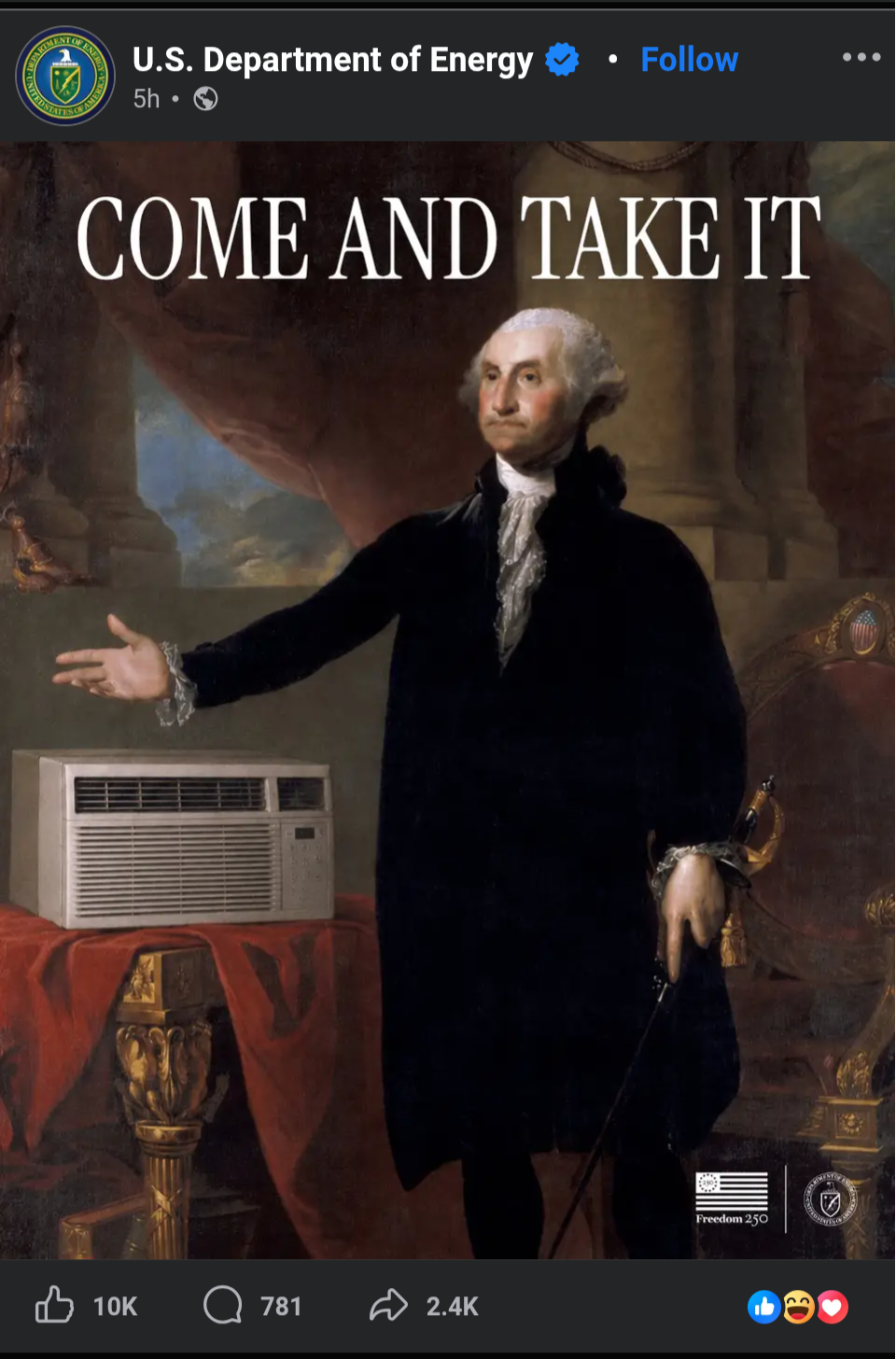

 Haha, look at that!



 How pleasant.
 Marvelous.
 WOW!
WOW! Woo!
Woo! A beautiful overlook.
 The train to the top.
 The top. "



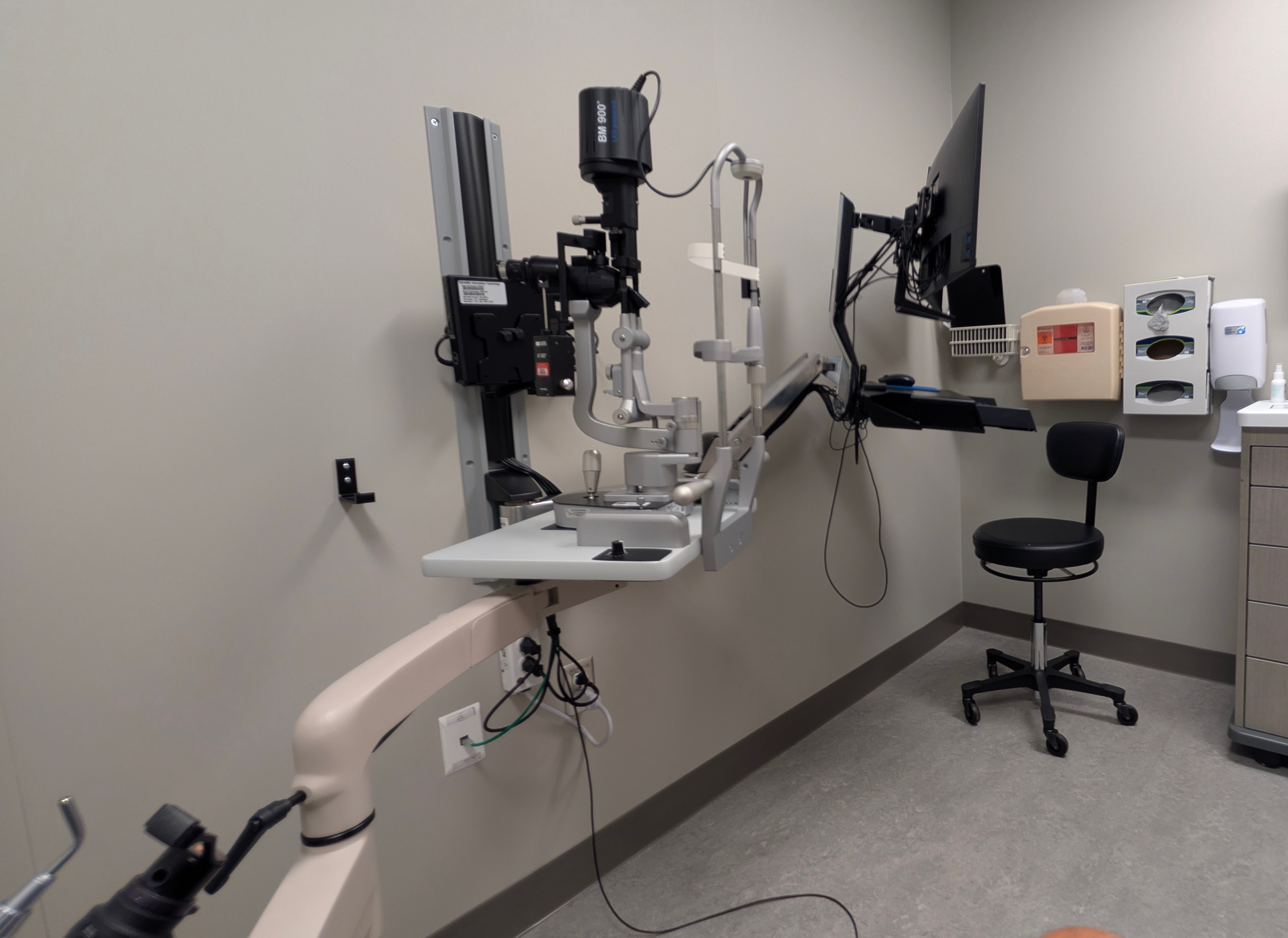 I'm currently sitting in a doctor's office. This isn't a new occurrence. In fact, if waiting rooms offered loyalty points like a credit card, I’d be in the titanium high-roller tier. This is often the theme with chronic illness: time and burden.
 BEHOLD!

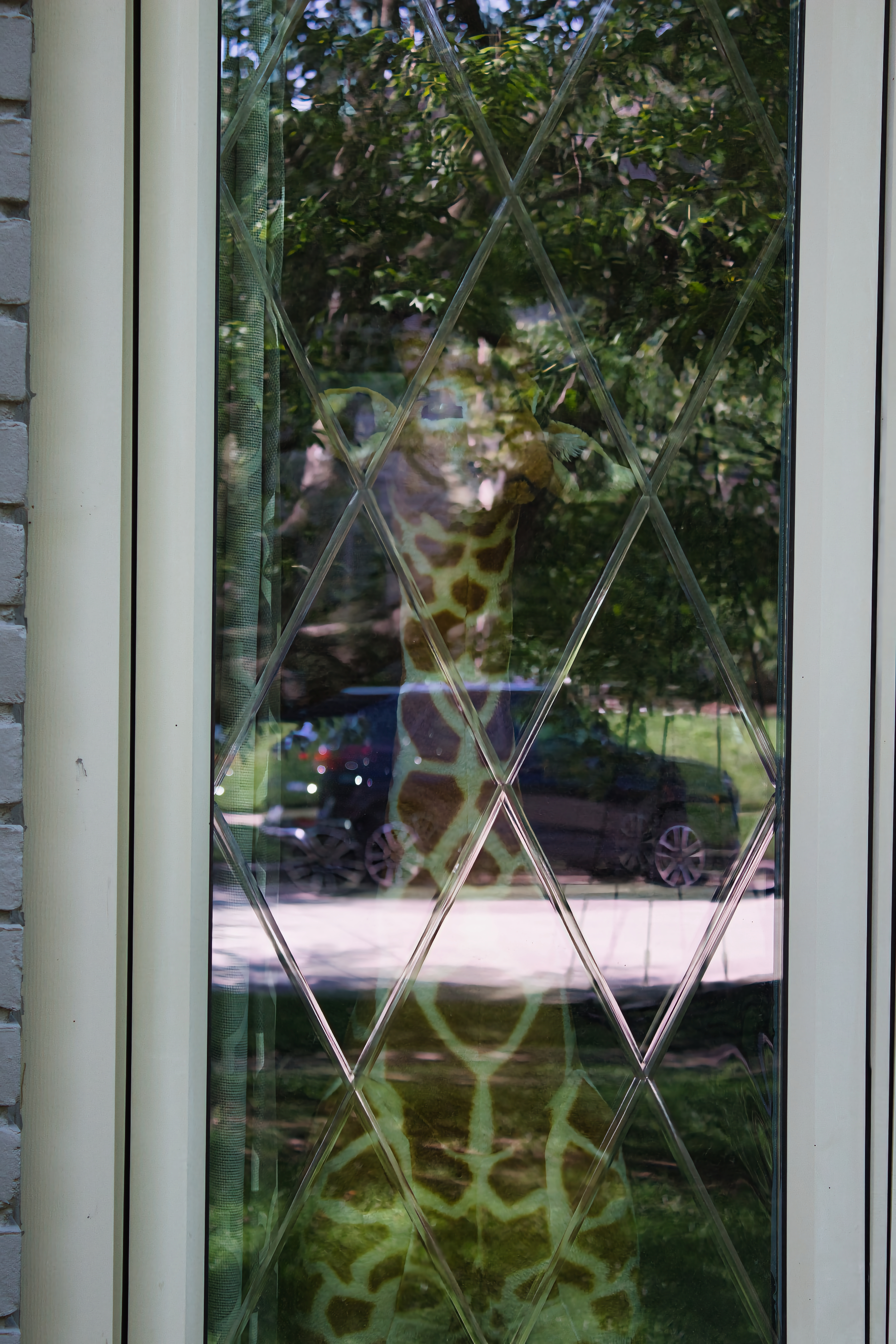





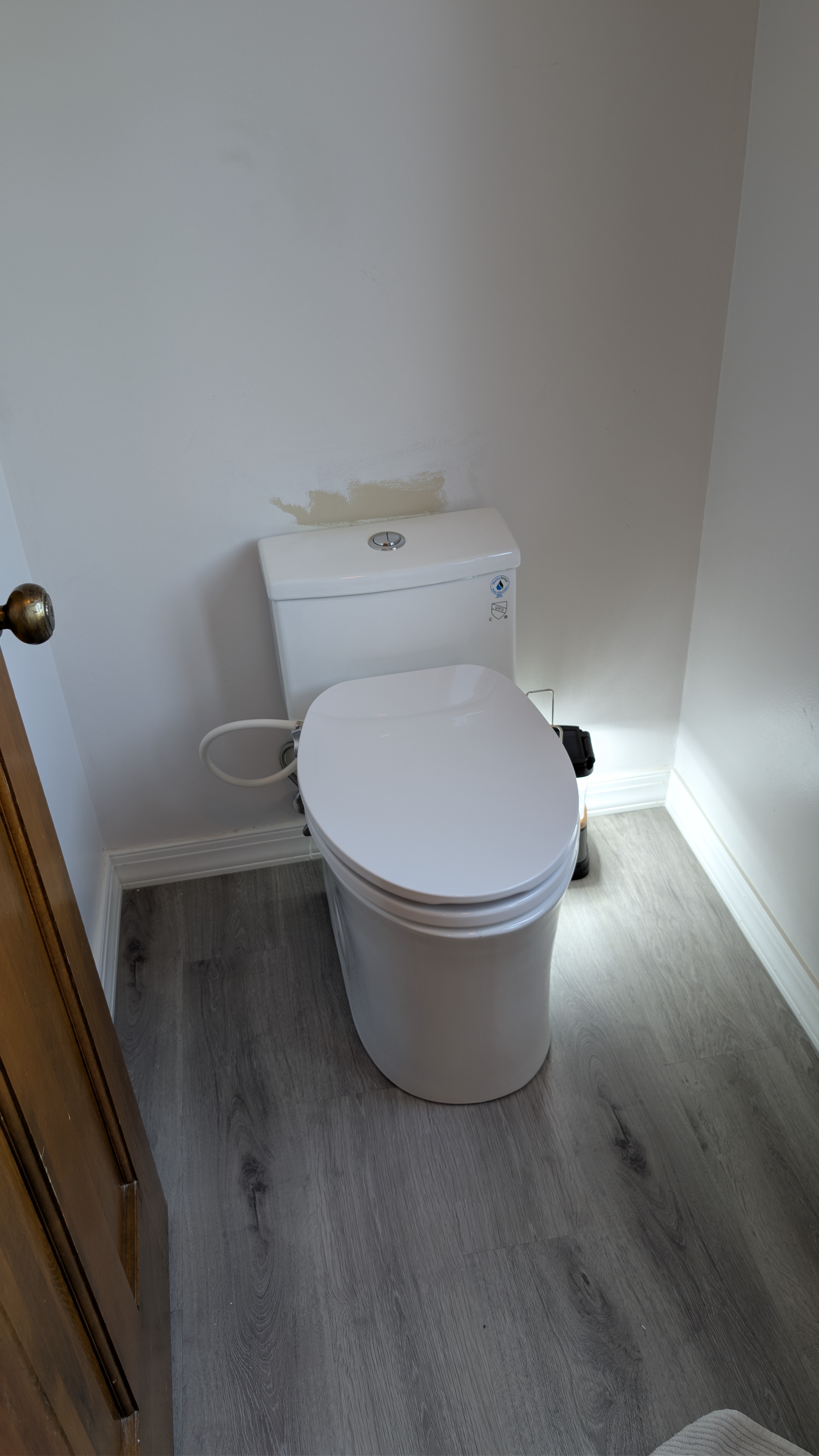 I installed a toilet. Now, installing a new toilet isn't typically something to brag about. Hell, it might even be a basic requirement to obtain your "man-card"—I wouldn't know because I don't usually care about those things. But for me, this was a massive deal.